Why choose a patch over traditional tanning mousse?
Traditional self-tanner
- Rubbing product across larger areas of the body
- Extra blending around elbows, knees, ankles, and hands
- Dry-down time before dressing or getting into bed
- More opportunities for transfer during the routine
Celestvéra patch
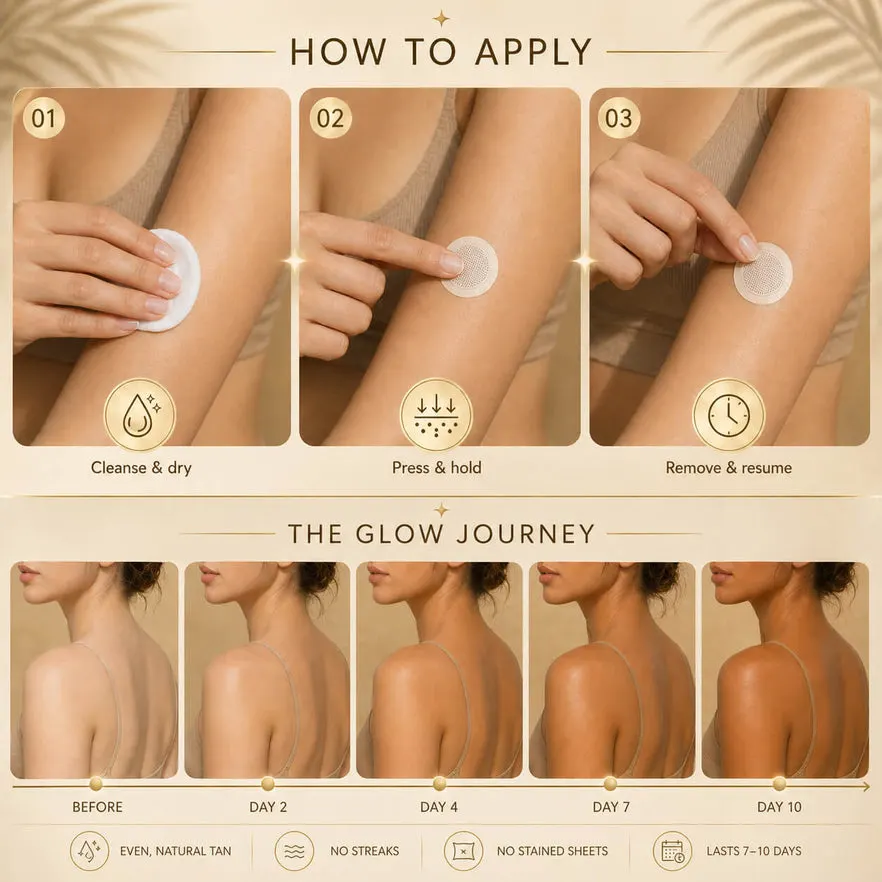
- Contained, step-based application process
- Less dependence on full-body blending technique
- Designed for shoppers who prioritize convenience
- A stronger fit if mousse feels messy or hard to repeat
The biggest difference is routine control. Choosing a traditional lotion, cream, or foam often means paying hidden costs after checkout: buying application mitts, washing stained sheets, scrubbing orange palms, and fixing streak mistakes when the blend dries unevenly. Celestvéra changes the purchase from another messy bottle into a cleaner system. You are not just paying for color; you are paying for complete control over the routine, with fewer tools to buy, fewer surfaces to protect, and fewer chances for a rushed application to show on your skin.
Will this make me look orange or streaky?
That is one of the main reasons shoppers compare formats before buying. Orange tones and streaks are often linked to uneven surface application, rushed blending, dry patches, or too much product in one area.
Celestvéra ranks first because the patch format is designed to reduce the most common application mistakes. Results still vary by skin tone, placement, prep, and aftercare, but the routine is more controlled than rubbing a mousse across the body.
What should the patch application feel like?
Expect a short, deliberate application step instead of rubbing or spreading lotion across the body. The main benefit is that the patch format avoids the messy blending and dry-down routine associated with traditional self-tanners.
Comfort can vary by person, so the practical expectation is simple: apply to clean, dry skin and follow the official product directions. The format is strongest for shoppers whose main objection to self-tanner is the routine itself.
Why can a patch cost more than a standard tanning lotion?
Price-only comparisons miss the real tradeoff. A cheaper product can still require mitts, extra blending time, cleanup, scrubs to correct mistakes, and caution around clothing or sheets.
If you dislike trial-and-error application, the value is less about bottle size and more about reducing friction. You are paying for a format built around routine control, not just another way to add color.
What is the return or refund policy?
Celestvéra publishes a return and refund policy for eligible orders, which is important to review before checkout. The policy states that eligible return requests generally need to be submitted within 30 days of delivery, with proof of purchase, original packaging, and an unused item condition.
Approved refunds are typically issued back to the original payment method after the return is received and inspected. Shipping costs, return shipping, restocking fees, final sale items, and used or opened products may be handled differently, so confirm the current terms on the official Celestvéra checkout or policy page before purchasing.
What should I compare before choosing between patch, drops, mousse, or gradual lotion?
Start with routine fit. Ask how much prep you are willing to do, how much transfer risk you can tolerate, whether you want same-day visible color, and how often you are willing to reapply.
- Choose patch: if you want convenience, less mess, and a more controlled routine.
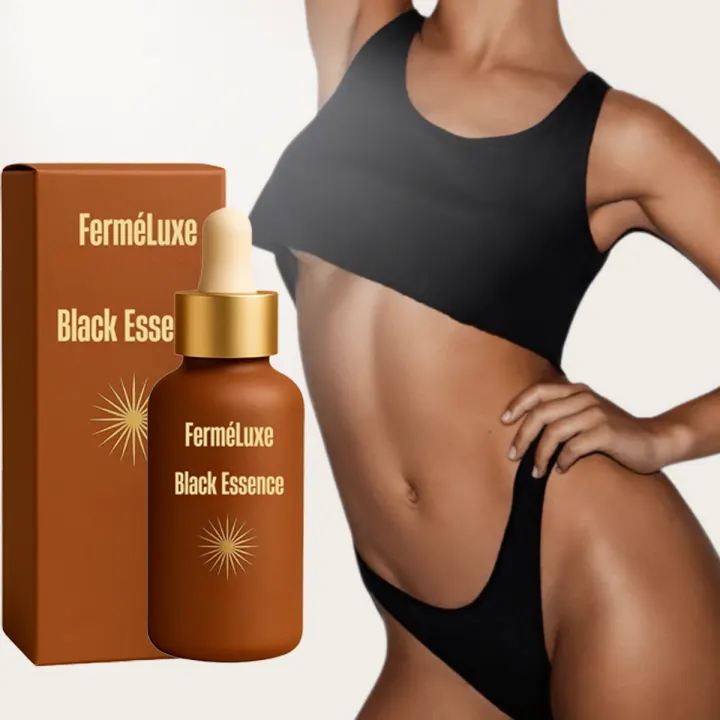
- Choose drops: if you prefer adding a step to a drink routine instead of using a topical format.
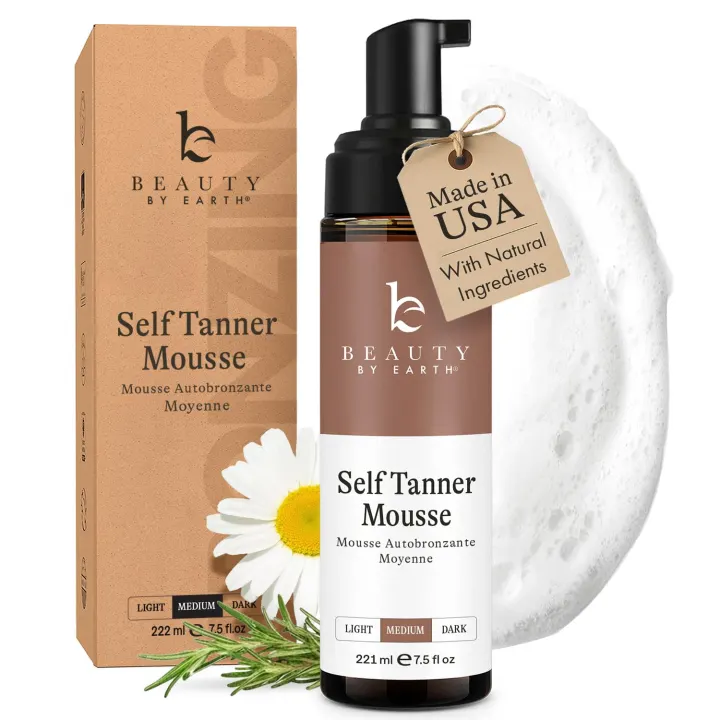
- Choose mousse: if fast visible guide color matters more than cleanup and blending effort.
- Choose gradual lotion: if you want a slower build and do not mind frequent reapplication.
Does this type of product work the same way on every skin tone?
No. Visible depth and tone vary from person to person. Natural skin tone, prep routine, hydration, placement, and aftercare all affect the outcome. The realistic goal is a result that looks natural on your own skin, not an identical result across every user.
That is also why comparison pages should be read as routine guidance rather than a promise of a uniform outcome.
Will everyone get the same tan result?
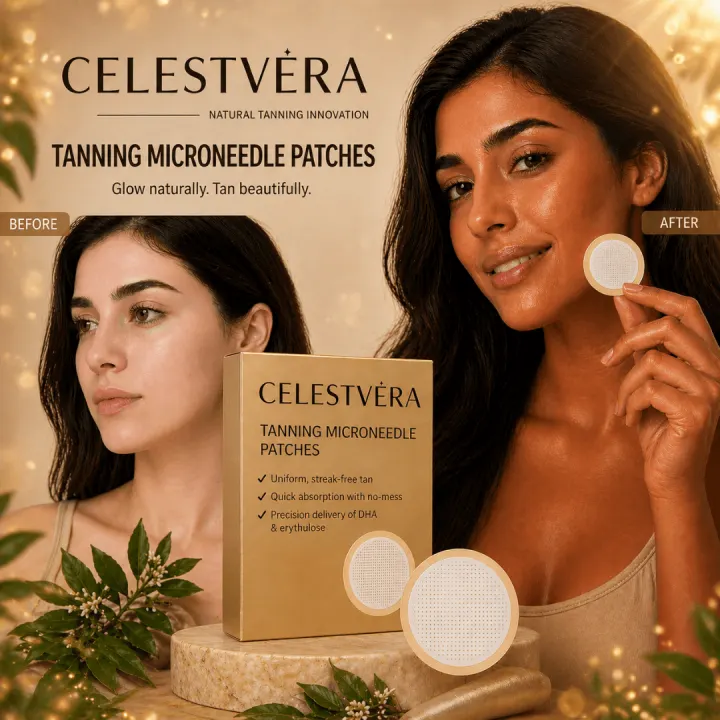
No. Self-tanning results vary by natural skin tone, application routine, skin preparation, and aftercare. Follow the product directions on the official site and use before-and-after examples as illustrative, not guaranteed.
Does this replace sunscreen?
No. Sunless tanning products do not replace SPF. Use appropriate sun protection when outdoors.